
My Blog Post
Creatine Gummies vs Powder: 7 Key Differences & Which Is Better?

Nov
Choosing between creatine gummies vs powder can be confusing, especially when both supplements promise to support muscle strength, exercise performance, and fitness goals. While traditional creatine powder has been popular among athletes for decades, gummies have emerged as a convenient alternative for people who prefer chewable supplements.
But do creatine gummies work as well as powder? Are they absorbed differently? And which option provides better value for money?
The answer depends on several factors, including the amount of creatine supplied, product quality, ingredients, convenience, and your personal preferences.
At Supreme CBD Store UK, we believe that understanding the science behind supplements helps customers make better decisions. This guide explores seven important differences between these two creatine formats, including their potential benefits, limitations, and suitability for different fitness routines.
What Is Creatine and How Does It Work?
Creatine is a naturally occurring compound found primarily in skeletal muscle. The body produces creatine from amino acids, while foods such as meat and fish also provide dietary amounts.
Most creatine in the body is stored in muscles as free creatine and phosphocreatine.
Phosphocreatine helps regenerate adenosine triphosphate (ATP), the main molecule used to supply immediate energy for muscle contractions.
During activities such as weightlifting, sprinting, and explosive movements, muscles use ATP rapidly. Stored phosphocreatine helps replenish this energy supply.
Creatine supplementation can increase muscle creatine stores, which may improve repeated high-intensity exercise performance.
Why Is Creatine Popular?
Creatine is one of the most extensively researched sports supplements.
Its potential benefits include:
-
Supporting muscular strength
-
Improving high-intensity exercise performance
-
Supporting gains in lean body mass during resistance training
-
Helping maintain performance across repeated exercise sets
-
Supporting training adaptations
-
Potentially helping older adults maintain muscle function when combined with exercise
However, creatine does not replace a balanced diet, adequate protein intake, consistent exercise, or proper recovery.
What Are Creatine Gummies?
Creatine gummies are chewable supplements formulated to provide creatine in a convenient format.
They usually contain creatine monohydrate alongside ingredients that create their flavour, texture, and structure.
Depending on the product, additional ingredients may include:
-
Fruit flavourings
-
Sweeteners
-
Sugar or sugar alternatives
-
Pectin or gelatine
-
Acidity regulators
-
Colourings
-
Other nutritional ingredients
Gummies are particularly appealing to people who dislike swallowing capsules or mixing powders.
How Do Creatine Gummies Work?
Creatine gummies are intended to supply the same active compound found in traditional creatine supplements.
Once consumed, creatine is absorbed through the digestive system and transported to tissues, including skeletal muscle.
The key consideration is whether the product provides the amount of creatine stated on its label.
Not every gummy contains the same quantity of creatine, so comparing the serving information is essential.
What Is Creatine Powder?
Creatine powder is the traditional supplement format used in much of the scientific research.
The most common form is creatine monohydrate.
Unflavoured creatine monohydrate powder typically contains one active ingredient, although flavoured products may include additional substances.
Powder can be mixed into:
-
Water
-
Fruit juice
-
Protein shakes
-
Smoothies
-
Other suitable drinks
Why Is Creatine Monohydrate Popular?
Creatine monohydrate is widely used because it has extensive scientific support.
Research has consistently demonstrated benefits for high-intensity exercise performance and strength when combined with appropriate training.
It is also generally affordable and easy to measure.
For most healthy adults, creatine monohydrate remains the most evidence-supported form of creatine supplementation.
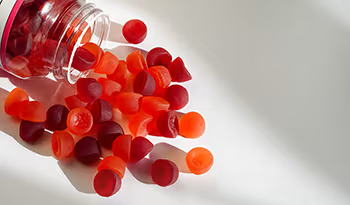
Creatine Gummies vs Powder: 7 Important Differences
Although both formats are designed to supply creatine, several practical differences can influence which option is more suitable.
1. Convenience and Ease of Use
Convenience is one of the biggest advantages of gummies.
They are easy to carry, require no mixing, and can be consumed without preparing a drink.
This makes them appealing to people with busy schedules.
Powder requires a little more preparation because it must be measured and mixed into a drink.
However, many people find that adding powder to a daily protein shake is equally convenient.
Key difference: Gummies may be easier to use when travelling, while powder can fit naturally into an established supplement routine.
2. Creatine Content Per Serving
The amount of creatine supplied is one of the most important factors when comparing supplements.
A typical serving of creatine powder may provide 3–5 grams of creatine monohydrate.
Gummies vary considerably.
Some products contain relatively small amounts per gummy, meaning several gummies may be needed to reach the intended daily serving.
For example, if one gummy provides 1 gram of creatine, five gummies would be needed to obtain 5 grams.
However, serving sizes differ between brands, so the label should always be checked.
Key difference: Powder generally makes it easier to measure a particular quantity, while gummies provide pre-portioned amounts that may require multiple pieces.
3. Absorption and Effectiveness
A common question is whether gummies are absorbed better than powder.
Currently, there is no convincing evidence that the gummy format provides superior creatine absorption.
When both products contain equivalent amounts of the same active ingredient, they would be expected to supply creatine through the digestive system.
However, direct high-quality comparisons between the two finished formats remain limited.
The most important factors are the actual creatine content, product quality, and consistent intake.
Key difference: Neither format has established superiority in absorption. The amount of creatine actually delivered matters more.
4. Ingredients and Added Sugar
Plain creatine monohydrate powder often contains no sugar, sweeteners, or flavourings.
Gummies generally require additional ingredients to achieve their chewable texture and taste.
Some may contain added sugar, while others use alternative sweeteners.
Sugar-free products may contain sugar alcohols that can cause digestive discomfort in some individuals.
Consumers should check:
-
Sugar content
-
Sweeteners
-
Calories
-
Creatine per serving
-
Other active ingredients
-
Allergen information
Key difference: Plain powder usually offers a simpler ingredient profile, while gummies may provide a more enjoyable taste.
5. Price and Value for Money
Creatine powder is generally more affordable per gram of creatine.
Gummies may cost more because their manufacturing process involves additional ingredients, flavouring, packaging, and formulation requirements.
When comparing prices, calculate the cost per equivalent amount of creatine rather than simply comparing container prices.
For example, a bottle containing 60 gummies may appear inexpensive, but it could provide relatively few daily servings if several gummies are required each day.
Key difference: Powder usually provides better value, while gummies offer convenience at a potentially higher cost.
6. Product Stability and Quality
Creatine monohydrate is relatively stable in dry powdered form when stored appropriately.
Gummy formulations are more complex because they contain moisture and other ingredients.
Creatine can degrade into creatinine under certain conditions, particularly in aqueous environments affected by temperature and acidity.
Some independent product-testing programmes have identified creatine gummies containing less creatine than their labels claimed.
However, these findings do not mean every gummy product is ineffective.
They highlight the importance of choosing products with reliable quality controls and independent testing.
Key difference: Dry powder has a straightforward stability profile, while gummies require careful formulation and quality verification.
7. Taste and Daily Consistency
Taste can influence whether someone continues using a supplement.
Creatine gummies are often fruit-flavoured and designed to be pleasant to chew.
Plain powder may have little flavour but can sometimes feel slightly gritty when mixed into water.
For individuals who strongly dislike powder, gummies may make consistent supplementation easier.
Key difference: Gummies may offer a more enjoyable experience, while powder offers greater flexibility for mixing with drinks.
Creatine Gummies and Powder Comparison Table
| Feature | Gummies | Powder |
|---|---|---|
| Convenience | Very convenient | Requires mixing |
| Creatine content | Varies by product | Easy to measure |
| Taste | Usually flavoured | Often unflavoured |
| Added ingredients | Usually several | Often minimal |
| Cost per gram | Generally higher | Generally lower |
| Portability | Easy to carry | Requires a container |
| Scientific evidence | Limited format-specific research | Extensive research on monohydrate |
| Product stability | Depends on formulation | Generally stable when dry |
| Best suited for | People who prefer chewable supplements | People prioritising value and simple ingredients |
Are Creatine Gummies as Effective as Powder?
Creatine gummies can potentially provide similar benefits when they contain an appropriate, verified amount of creatine.
However, effectiveness depends on more than the format.
Important factors include:
-
Actual creatine content
-
Ingredient quality
-
Manufacturing controls
-
Product stability
-
Consistent consumption
-
Training habits
-
Individual response
The scientific evidence supporting creatine supplementation comes predominantly from studies involving creatine monohydrate.
Therefore, it is more accurate to say that gummies can be a practical delivery format rather than claiming they are scientifically superior to powder.
Which Is Better for Muscle Growth?
For muscle development, the key consideration is whether supplementation provides sufficient creatine to support training performance.
Creatine may help improve repeated high-intensity exercise capacity.
Over time, improved training performance can contribute to increases in lean body mass when combined with resistance exercise.
Creatine Powder for Muscle Building
Powder provides a straightforward way to consume a measured amount of creatine monohydrate.
It is also widely used in sports nutrition research.
For people who prioritise simple ingredients and affordability, powder is often a practical choice.
Creatine Gummies for Muscle Building
Gummies may offer similar potential benefits if they provide the intended amount of creatine.
However, users should check the number of gummies required per serving and whether the manufacturer provides evidence of product quality.
Neither format can replace effective training and adequate dietary protein.
Which Is Better for Strength and Gym Performance?
Creatine is particularly well supported for activities involving repeated bursts of intense effort.
Examples include:
-
Heavy resistance training
-
Sprinting
-
Explosive movements
-
Repeated jumping
-
High-intensity sports
For these activities, the creatine supplied matters more than whether the supplement is chewed or mixed into water.
Powder has the advantage of a long research history, while a properly formulated gummy may offer a convenient alternative.

How Much Creatine Should You Take Daily?
A commonly studied maintenance intake for healthy adults is approximately 3–5 grams of creatine monohydrate per day.
This amount is widely used in sports nutrition research.
Individual circumstances may vary depending on body size, diet, training demands, and medical history.
People with kidney disease or other relevant health conditions should consult a healthcare professional before starting supplementation.
Do Gummies and Powder Require Different Amounts?
The amount of creatine required does not automatically change because of the delivery format.
Instead, the serving should be based on the actual creatine content.
For example, a powder providing 5 grams and gummies providing a verified total of 5 grams both supply the same nominal quantity of creatine.
However, differences in product formulation and quality may affect how much active creatine is actually present.
Is a Loading Phase Necessary?
A loading phase is not essential.
Some research protocols use approximately 20 grams daily, divided into several servings, for five to seven days.
However, a consistent daily maintenance amount can also increase muscle creatine stores over several weeks.
A loading phase may increase the likelihood of gastrointestinal discomfort in some people.
Should Creatine Be Taken Every Day?
Creatine works by increasing muscle stores over time.
For this reason, consistent daily supplementation is commonly used in research, including on non-training days.
The precise time of day appears less important than maintaining consistency.
Can Creatine Gummies Cause Side Effects?
Both gummies and powder may cause side effects.
Potential effects associated with creatine supplementation include:
-
Temporary weight gain from increased muscle water
-
Digestive discomfort
-
Nausea
-
Bloating
-
Diarrhoea in some individuals
Gummies may also contain sugar alcohols or other ingredients that contribute to digestive symptoms.
These reactions are not necessarily caused by creatine itself.
Are Creatine Gummies Safer Than Powder?
There is insufficient evidence to conclude that gummies are inherently safer.
Safety depends on the ingredients, actual creatine content, product quality, serving size, and individual health circumstances.
Creatine monohydrate has a substantial body of safety research in healthy adults when used appropriately.
However, people with existing kidney disease, relevant medical conditions, or concerns about medication interactions should seek professional advice.
Do Creatine Gummies Contain Sugar?
Some creatine gummies contain added sugar, while others use alternative sweeteners.
The amount varies between products.
Consumers who monitor sugar intake should check the nutritional information carefully.
Sugar-free does not automatically mean free from digestive effects because certain sweeteners may cause discomfort in sensitive individuals.
Plain unflavoured creatine powder generally contains no added sugar.
Can Creatine Gummies Help With Weight Loss?
Creatine is not a fat-burning supplement.
However, it may help support high-intensity exercise performance while someone follows a structured fitness routine.
This may be useful during periods when maintaining muscle strength is a priority.
It is also important to understand that creatine can increase water stored in muscle tissue.
Therefore, changes on the weighing scale do not necessarily indicate changes in body fat.
Are Creatine Gummies Suitable for Beginners?
Gummies may appeal to beginners because they are convenient and easy to consume.
However, the best starting point is understanding what creatine does and how it fits into an overall fitness routine.
Beginners should prioritise:
-
Consistent exercise
-
Balanced nutrition
-
Adequate protein intake
-
Sleep and recovery
-
Realistic training goals
-
Appropriate supplement use
A supplement cannot replace these foundations.
Creatine for Men and Women
Creatine is not exclusively a supplement for men.
Both men and women naturally produce and store creatine.
Research suggests that supplementation can support high-intensity exercise performance across different adult populations.
The choice between gummies and powder should therefore be based on personal preferences, nutritional requirements, product quality, and practical considerations rather than gender alone.
Creatine for Adults Over 40
Maintaining muscle strength becomes increasingly important with age.
Creatine supplementation combined with resistance training may help some older adults improve strength and lean body mass.
However, results vary, and exercise remains essential.
Adults with chronic health conditions should discuss supplementation with a healthcare professional before starting a new routine.
How to Choose Quality Creatine Supplements in the UK
UK consumers should consider several factors before purchasing creatine.
Check the Active Ingredient
Look for clear identification of the type of creatine used.
Creatine monohydrate is the most extensively researched option.
Read the Serving Information
Check the quantity of creatine provided per serving.
For gummies, confirm how many individual pieces make up a full serving.
Review the Ingredient List
Pay attention to sugars, sweeteners, flavourings, allergens, and other ingredients.
Look for Independent Testing
Third-party testing can provide additional confidence that a supplement contains the amount of creatine stated on its label.
For competitive athletes, recognised sport-specific certification may also be valuable.
Compare Cost Per Gram
The cheapest container is not always the best value.
Calculate the price based on the amount of creatine supplied.
Consider Storage Requirements
Follow the manufacturer’s storage instructions.
Keep supplements in appropriate conditions and avoid excessive heat or moisture.
Common Mistakes When Choosing Creatine
Consumers sometimes focus on marketing claims rather than meaningful product information.
Common mistakes include:
-
Assuming gummies absorb better than powder
-
Ignoring creatine content per serving
-
Comparing prices without calculating cost per gram
-
Choosing products without checking ingredient quality
-
Assuming expensive supplements work better
-
Expecting immediate muscle growth
-
Neglecting exercise and nutrition
-
Using excessive amounts without professional guidance
Understanding these factors can help consumers make more informed decisions.

Where to Explore Creatine Supplements in the UK
When shopping for fitness supplements, choosing products with transparent ingredient information and clear serving instructions is important.
At Supreme CBD Store UK, we encourage customers to understand the products they are considering and make choices that support their individual wellness goals.
Whether you prefer a convenient chewable supplement or traditional powder, the most important factors are ingredient quality, appropriate serving amounts, and consistency.
Our wider wellness and sports nutrition selection provides an opportunity to explore different supplement formats and compare their ingredients before making a decision.
Frequently Asked Questions
Are creatine gummies better than powder?
Neither format is automatically better for everyone. Powder generally offers stronger format-specific research support, simpler ingredients, and better value. Gummies may be more convenient when they contain a verified amount of creatine.
Do creatine gummies actually work?
They can supply creatine, provided the product contains the amount stated on its label. However, some product-testing programmes have identified gummies with lower creatine content than advertised.
Is creatine powder more effective?
Creatine monohydrate powder has the strongest research history. There is no convincing evidence that gummies offer superior absorption or muscle-building benefits when equivalent amounts of creatine are delivered.
How many creatine gummies equal one scoop of powder?
It depends on the product. A scoop of powder may provide 5 grams of creatine, while gummies can contain different amounts per piece. Always check the label.
Are creatine gummies good for muscle growth?
Gummies may support the same creatine-related benefits when they provide an appropriate amount of active creatine. Muscle development also depends on resistance training, nutrition, and recovery.
Do creatine gummies contain sugar?
Some contain added sugar, while others use alternative sweeteners. The nutritional information should be checked before purchase.
Can you take creatine gummies every day?
Consistent daily creatine supplementation is commonly used in research. However, individuals should follow product directions and seek professional advice when relevant medical conditions are present.
Are creatine gummies suitable for women?
Creatine supplementation can be relevant to both men and women. The appropriate product depends on individual needs, preferences, and health circumstances.
Do gummies absorb faster than powder?
There is no strong evidence that creatine gummies are absorbed faster or more effectively than creatine monohydrate powder.
Which creatine format is cheaper?
Powder is generally more affordable per gram of creatine, although prices vary between products and retailers.
Can creatine cause bloating?
Some individuals experience digestive discomfort or an increase in body weight associated with water stored in muscle tissue. Larger servings may increase gastrointestinal discomfort.
What is the best creatine for beginners?
Creatine monohydrate is generally the most evidence-supported option. Beginners should focus on product quality, suitable serving sizes, and consistent exercise rather than complicated formulations.
Final Thoughts: Which Creatine Format Should You Choose?
When comparing creatine gummies vs powder, the most important difference is not necessarily the creatine molecule itself but the convenience, ingredient profile, cost, and reliability of the product.
Creatine monohydrate powder remains the most extensively researched and generally economical choice. It provides a straightforward way to consume a measured amount of creatine without unnecessary added ingredients.
Gummies can offer a convenient alternative for people who prefer chewable supplements. However, consumers should pay particular attention to creatine content, product stability, and independent testing.
Neither format can replace consistent exercise, adequate nutrition, and proper recovery.
At Supreme CBD Store UK, we believe informed supplement choices should be based on scientific evidence, transparent ingredients, and realistic fitness goals.
Understanding these differences can help you choose the supplement format that best suits your lifestyle.
best creatine,
best creatine for men,
best creatine for women,
best recommended creatine,
best working creatine,
creatine top,
great creatine,
top ranked creatine,
creatine supplements,
creatine the best,
best creatine uk,
top creatine monohydrate,
creatine monohydrate top,
recommended creatine monohydrate,
best creatine monohydrate uk,
creatine monohydrate gummies,
most recommended creatine.
best creatine gummies,
creatine gummies vs powder,
creatine pills,
boots creatine,
creatine boots,
creatine monohydrate gummies,
creatine powder vs pill,
creatine tablets vs powder,
creatine gummy,
do creatine gummies work,
are creatine gummies as good as powder,
creatine mono pills,
are creatine gummies effective,
creatin gummies.
