
My Blog Post
Turmeric Powder: 9 Amazing Benefits, Uses & Complete Guide
Nov
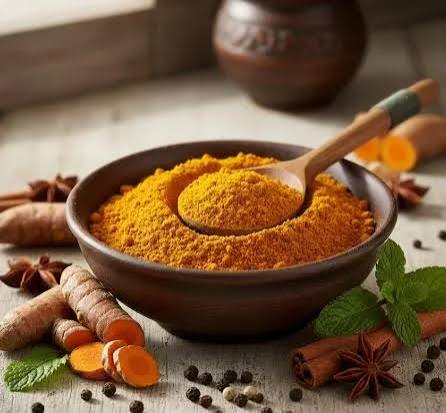
Turmeric powder is one of the most recognised botanical ingredients in the world. Known for its vibrant golden-yellow colour, earthy flavour, and traditional uses, turmeric has become increasingly popular in cooking, nutrition, and modern wellness routines.
Derived from the underground stem of the Curcuma longa plant, turmeric contains naturally occurring compounds called curcuminoids. The most widely studied of these is curcumin, which has attracted scientific interest for its antioxidant and anti-inflammatory properties.
However, while turmeric has a long history of traditional use, not every claimed health benefit has been confirmed through clinical research.
In this educational guide from Supreme CBD Store UK, we explore nine potential benefits and practical uses, explain the difference between turmeric and curcumin, discuss safety considerations, and share tips for choosing quality products in the UK.
What Is Turmeric Powder?
Turmeric is a flowering plant belonging to the ginger family, Zingiberaceae.
The part commonly used in cooking and traditional preparations is its underground stem, known as a rhizome.
To produce the familiar yellow spice, manufacturers typically clean, cook or cure, dry, and grind the rhizomes.
The finished product has a warm, slightly bitter, earthy flavour.
What Does Turmeric Contain?
The nutritional and chemical composition varies according to the plant variety, growing conditions, and processing method.
Important constituents include:
-
Curcumin
-
Demethoxycurcumin
-
Bisdemethoxycurcumin
-
Dietary fibre
-
Small amounts of minerals
-
Naturally occurring aromatic compounds
-
Essential oils
Curcuminoids are responsible for much of turmeric’s distinctive yellow colour.
However, ordinary culinary turmeric contains a relatively small and variable proportion of curcuminoids compared with concentrated extracts.
What Is Curcumin?
Curcumin is a naturally occurring polyphenolic compound found in turmeric.
Researchers have investigated it for possible effects on oxidative stress, inflammatory signalling, and other biological processes.
Nevertheless, laboratory activity does not automatically establish clinical effectiveness in humans.
9 Potential Benefits of Turmeric Powder
Interest in turmeric powder benefits has increased as researchers investigate curcumin and other plant compounds.
Some potential effects are supported by preliminary human research, while others remain uncertain.
1. Contains Naturally Occurring Antioxidant Compounds
Turmeric contains curcuminoids that have demonstrated antioxidant activity in laboratory experiments.
Oxidative stress occurs when reactive molecules exceed the body’s normal protective capacity.
Researchers are exploring whether turmeric-derived compounds influence oxidative stress markers in humans.
However, improvements in laboratory measurements do not necessarily translate into proven long-term health benefits.
2. Contains Compounds Studied for Inflammation
Curcumin has been investigated for its influence on inflammatory signalling pathways.
Some clinical trials involving concentrated curcumin preparations have reported changes in inflammatory markers.
However, these studies often use supplements containing much higher concentrations of curcuminoids than ordinary culinary turmeric.
Therefore, the findings should not automatically be applied to small amounts used in cooking.
3. May Be Relevant to Joint Health Research
One of the more widely investigated clinical applications of curcumin involves knee osteoarthritis.
Some systematic reviews have reported modest improvements in pain and physical function among participants taking certain curcumin preparations.
However, study quality, formulations, and treatment durations vary.
These findings do not establish ordinary turmeric as a replacement for medical treatment, physiotherapy, or prescribed medication.
4. Adds Flavour Without Relying on Excess Salt
A practical advantage of turmeric is its versatility as a culinary spice.
Its distinctive flavour can enhance vegetable dishes, rice, soups, curries, and marinades.
Using herbs and spices to create flavour may help people prepare enjoyable meals without depending entirely on added salt.
This benefit comes from turmeric’s role in cooking rather than a specific medicinal effect.
5. Provides Natural Colour in Cooking
Turmeric is widely used to create a golden-yellow colour in foods.
It can add visual appeal to rice, soups, sauces, and other dishes.
Curcumin is also used as a food colouring ingredient in some commercial products.
6. Can Be Included in a Varied Diet
Turmeric can form part of a balanced eating pattern.
It pairs well with vegetables, legumes, whole grains, and other nutritious foods.
However, its presence does not automatically make a meal healthy.
Overall dietary quality remains more important than any single spice.
7. Is Being Investigated for Metabolic Health
Researchers have examined curcumin supplements in relation to blood glucose, cholesterol, and other metabolic measurements.
Some studies have reported modest changes in certain markers.
However, the findings vary, and many trials involve concentrated extracts rather than ordinary spice.
Turmeric should not replace treatment for diabetes, high cholesterol, or other metabolic conditions.
8. Offers a Versatile Ingredient for Homemade Recipes
Another advantage of turmeric powder is its flexibility.
It can be added to:
-
Curries
-
Rice dishes
-
Soups
-
Vegetable stews
-
Smoothies
-
Golden milk
-
Homemade spice blends
-
Marinades
This makes it an accessible ingredient for people who enjoy experimenting with botanical flavours.
9. Encourages Interest in Botanical Nutrition
Turmeric has helped introduce many consumers to the broader subject of plant-derived compounds and their role in nutrition research.
Learning about curcumin, turmeric extracts, and product quality can support more informed purchasing decisions.
However, traditional popularity should never be confused with proof that a supplement can prevent or cure disease.
Turmeric Powder vs Curcumin: What Is the Difference?
Although these terms are often used interchangeably, they describe different things.
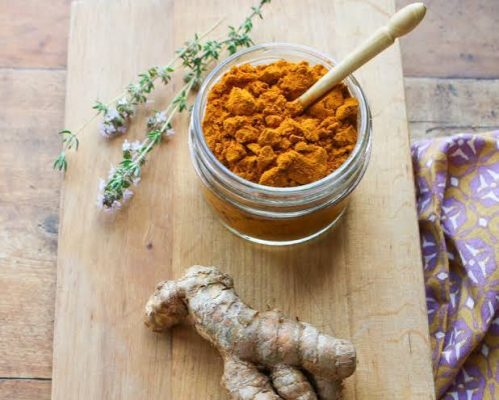
Turmeric is the whole botanical ingredient.
Curcumin is one of the naturally occurring compounds found within it.
| Feature | Turmeric | Curcumin |
|---|---|---|
| Source | Ground turmeric rhizome | Compound extracted from turmeric |
| Composition | Multiple plant compounds | Individual curcuminoid |
| Common use | Cooking and supplements | Concentrated supplements and research |
| Curcuminoid content | Relatively low and variable | Often concentrated |
| Flavour | Earthy and slightly bitter | Not typically used as a culinary spice |
| Research | Includes food and supplement studies | Frequently studied in concentrated preparations |
Is Curcumin Stronger Than Turmeric?
Concentrated curcumin supplements generally contain higher amounts of curcuminoids than ordinary turmeric spice.
However, a higher concentration does not automatically mean greater overall benefit or safety.
The appropriate choice depends on the intended use, formulation, and individual health circumstances.
Does Turmeric Powder Help With Inflammation?
This is one of the most common questions about turmeric.
Curcumin has demonstrated effects on inflammatory signalling in laboratory studies.
Some human trials involving specific curcumin formulations have also reported improvements in certain inflammatory measurements or symptoms.
However, there is insufficient evidence to conclude that normal culinary amounts of turmeric reliably treat inflammatory diseases.
People with persistent pain, swelling, or inflammation should seek appropriate medical assessment.
How to Use Turmeric Powder in Everyday Cooking
One of the easiest ways to enjoy turmeric is by adding it to familiar meals.
1. Golden Milk
Golden milk is a warm drink commonly prepared with milk or a plant-based alternative.
Ingredients may include turmeric, cinnamon, ginger, and a small amount of black pepper.
The drink can be enjoyed as part of a balanced diet, although claims that it detoxifies the body or cures illness are not established.
2. Turmeric Rice
A small quantity of turmeric can give cooked rice a golden appearance.
It pairs well with vegetables, herbs, and aromatic spices.
3. Soups and Stews
Turmeric works well in lentil soup, vegetable stew, and other savoury dishes.
It contributes colour and a mild earthy flavour.
4. Smoothies
Some people add small culinary quantities to smoothies containing fruit, yoghurt, or plant-based milk.
Its flavour can be strong, so it is best introduced gradually.
5. Homemade Curry Blends
Turmeric is a common ingredient in curry powders.
It can be combined with cumin, coriander, ginger, and other spices.
Turmeric Powder and Black Pepper
Black pepper contains piperine, a naturally occurring compound investigated for its ability to influence the absorption of certain substances.
Some studies suggest that piperine can increase curcumin exposure when the compounds are taken together.
However, these findings should not be interpreted as proof that adding pepper to food creates a clinically effective treatment.
Concentrated piperine supplements can also affect how certain medicines are processed by the body.
Is Black Pepper Necessary?
No. Turmeric can be enjoyed in food without adding black pepper.
The combination is common in recipes, but it is not essential for normal culinary use.
Turmeric Powder vs Ginger Powder
Turmeric and ginger belong to the same botanical family, but they have different flavours and chemical compositions.
| Feature | Turmeric | Ginger |
|---|---|---|
| Botanical name | Curcuma longa | Zingiber officinale |
| Colour | Golden yellow | Pale yellow or beige |
| Main researched compounds | Curcuminoids | Gingerols and shogaols |
| Taste | Earthy and slightly bitter | Warm and pungent |
| Culinary uses | Curries, rice, soups | Teas, baking, sauces |
| Research areas | Inflammatory and joint-related outcomes | Nausea and digestive symptoms |
Can Turmeric and Ginger Be Used Together?
Yes. Both are common culinary spices and are frequently combined in recipes.
However, combining them does not automatically create stronger health effects.
People taking medications should be cautious with concentrated supplements containing multiple botanical extracts.
Is Turmeric Powder Good for Weight Loss?
Turmeric is sometimes marketed as a fat-burning ingredient.
However, there is no convincing evidence that ordinary culinary turmeric directly burns body fat.
Some studies have investigated concentrated curcumin supplements in relation to weight and metabolic measurements.
The findings remain variable and should not be used to promise weight loss.
Sustainable weight management depends on overall nutrition, physical activity, sleep, and individual health needs.
Can Turmeric Support Skin Health?
Turmeric has a history of use in traditional cosmetic practices.
Researchers have also investigated curcumin in laboratory and small clinical studies involving skin-related outcomes.
However, evidence remains insufficient to recommend homemade turmeric treatments for acne, eczema, psoriasis, or other dermatological conditions.
Applying turmeric directly to the skin can cause staining, irritation, or allergic reactions.
Is Turmeric Powder Good for Digestion?
Turmeric has traditionally been used in food and herbal preparations associated with digestion.
However, strong clinical evidence supporting broad digestive benefits from ordinary turmeric powder is lacking.
Some people may also experience gastrointestinal discomfort when consuming concentrated turmeric or curcumin supplements.
Anyone with persistent digestive symptoms should seek professional advice.
How Much Turmeric Powder Should You Use?
There is no universally established daily quantity of turmeric powder proven to deliver specific medical benefits.
Normal culinary use differs from taking concentrated extracts.
When using turmeric in cooking, modest amounts according to taste and recipe requirements are generally more appropriate than attempting to reproduce supplement research doses.
Can You Take Turmeric Every Day?
Turmeric can be used regularly as a culinary spice within a varied diet.
However, taking high-dose supplements daily is a separate consideration.
The safety of concentrated products depends on the formulation, dose, duration, and individual health circumstances.
Is More Turmeric Better?
Not necessarily.
Higher quantities do not automatically produce greater benefits.
Concentrated curcumin products, particularly some enhanced-absorption formulations, have been associated with rare cases of liver injury.
Therefore, supplement labels and safety information should be taken seriously.
Possible Side Effects and Safety Considerations
Turmeric used in ordinary cooking is generally well tolerated by most people.
However, concentrated turmeric or curcumin supplements can cause adverse reactions.
Possible concerns include:
-
Nausea
-
Diarrhoea
-
Abdominal discomfort
-
Acid reflux
-
Allergic reactions
-
Medication interactions
-
Rare liver injury associated with certain supplements
Who Should Seek Medical Advice?
Professional advice is particularly important for people who:
-
Have liver disease
-
Have gallbladder or bile duct problems
-
Take anticoagulant or antiplatelet medicines
-
Use multiple prescription medications
-
Are pregnant or breastfeeding and considering concentrated supplements
-
Have experienced previous reactions to turmeric products
-
Are preparing for surgery
Turmeric supplements should not replace prescribed medical treatment.
How to Choose Quality Turmeric Powder in the UK
When comparing turmeric products, quality and transparency matter more than exaggerated advertising claims.
Check the Botanical Name
Look for Curcuma longa on the ingredient information.
Review the Ingredients
Pure culinary turmeric should be clearly identified.
Blended products may contain ginger, pepper, other spices, or additional ingredients.
Consider the Colour and Aroma
Turmeric usually has a rich yellow-orange appearance and a distinctive earthy aroma.
However, colour alone cannot verify purity or quality.
Look for Contaminant Testing
Turmeric products may be vulnerable to contamination or adulteration, including with certain heavy metals or unauthorised colourants.
Credible quality controls and testing can provide additional assurance.
Check Packaging and Storage
Protect turmeric from excessive heat, moisture, and direct sunlight.
Follow the manufacturer’s storage guidance.
Avoid Unrealistic Claims
Be cautious of products claiming to cure arthritis, prevent cancer, detoxify the liver, or guarantee weight loss.
Such claims are not established for ordinary turmeric products.
Turmeric Powder vs Turmeric Capsules and Gummies
Turmeric is available in several formats.
Each serves a different purpose.
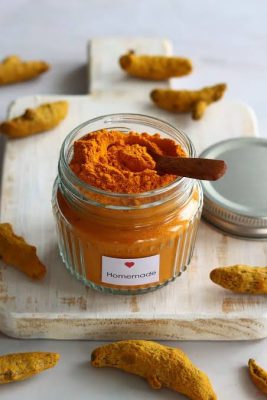
Culinary Powder
This is mainly used for flavouring food and preparing drinks.
Capsules
Capsules may contain ordinary ground turmeric, concentrated extracts, or combinations with other ingredients.
The formulation determines the actual amount of curcuminoids.
Gummies
Turmeric gummies provide a chewable format that may contain turmeric extracts alongside sweeteners, flavourings, and other ingredients.
The concentration of active compounds varies between products.
Which Format Should You Choose?
For cooking, turmeric powder is the natural choice.
For supplements, consumers should evaluate the ingredient quantities, formulation, safety information, and evidence rather than assuming capsules or gummies are automatically more effective.
Explore Turmeric and Ginger Wellness Products at Supreme CBD Store UK
At Supreme CBD Store UK, we believe informed wellness choices begin with clear information about ingredients and realistic expectations.
Our wellness selection includes products featuring turmeric and ginger, offering convenient alternatives for customers interested in botanical supplement formats.
These include Turmeric & Ginger Gummies – 60 Natural and Turmeric Ginger Capsules, subject to product availability.
When comparing products, review the actual ingredients, serving information, and manufacturer’s directions.
Botanical supplements should complement a balanced lifestyle rather than replace healthy habits or medical care.
Frequently Asked Questions
What are the main benefits of turmeric powder?
Turmeric contains naturally occurring curcuminoids and is a versatile culinary ingredient. Some research into concentrated curcumin preparations has reported promising findings, but these cannot automatically be applied to ordinary spice.
Can I use turmeric powder every day?
Normal culinary use can form part of a varied diet. Concentrated daily supplementation requires separate consideration.
Is turmeric powder the same as curcumin?
No. Turmeric is the whole botanical ingredient, while curcumin is one of its naturally occurring compounds.
Does turmeric help with inflammation?
Curcumin has been investigated for inflammatory effects, but ordinary turmeric is not an established treatment for inflammatory diseases.
Can turmeric help with joint pain?
Some studies of specific curcumin preparations have reported modest improvements in knee osteoarthritis symptoms. Evidence for ordinary culinary turmeric is much less certain.
Is turmeric good for weight loss?
There is insufficient evidence that turmeric powder directly causes meaningful weight loss or burns belly fat.
Should I mix turmeric with black pepper?
Black pepper is commonly used alongside turmeric in recipes. However, concentrated piperine supplements may interact with medication.
Is fresh turmeric better than powdered turmeric?
Both have culinary uses. Their composition and flavour may differ, but fresh turmeric is not automatically more effective for health.
Can turmeric be mixed with ginger?
Yes. Turmeric and ginger are commonly combined in cooking and drinks.
Is turmeric powder good for skin?
Evidence supporting turmeric as a treatment for skin conditions is limited. Applying homemade preparations may cause staining or irritation.
What is the best way to store turmeric?
Keep it in a sealed container away from excessive moisture, heat, and direct sunlight, following the manufacturer’s instructions.
Where can I explore turmeric supplements in the UK?
Consumers can compare botanical supplement formats through reputable UK retailers. Supreme CBD Store UK offers turmeric and ginger products within its wellness range.
Final Thoughts
Turmeric powder is a versatile botanical ingredient valued for its distinctive colour, flavour, and long history of culinary use.
Its naturally occurring curcuminoids have attracted scientific attention, particularly in research involving oxidative stress, inflammation, and joint-related outcomes.
However, many studies involve concentrated curcumin extracts rather than ordinary turmeric used in food.
For everyday use, turmeric is best appreciated as part of a varied and balanced diet.
Consumers considering concentrated supplements should review ingredient information, quality controls, potential interactions, and individual health circumstances.
At Supreme CBD Store UK, we encourage informed choices based on reliable information and realistic expectations.
turmeric powder,
turmeric powder and,
turmeric powder supplement,
turmeric powder turmeric,
turmeric turmeric powder,
is turmeric powder healthy,
turmeric powder and black pepper,
turmeric powder with pepper,
benefits of milk with turmeric powder,
ginger and turmeric powder tea,
milk with turmeric powder,
organic turmeric powder,
turmeric powder black pepper,
turmeric powder capsules,
turmeric powder shots.
